BMX Handlebar FAQ & Installation Instructions
Everything You Need To Know About BMX Handlebars
Handlebars come in a wide variety of heights and widths to ensure you find a set that properly fits the rider. Along with sizing, there are multiple material options, styles, bends, and clamp sizes to consider.
Material
Freestyle handlebars are usually either chromoly, which is stronger and what higher-end models use, or high-tensile steel, which is what some entry-level bikes come with. If your bike does use high-tensile steel bars, upgrading to aftermarket chromoly bars is a great choice.
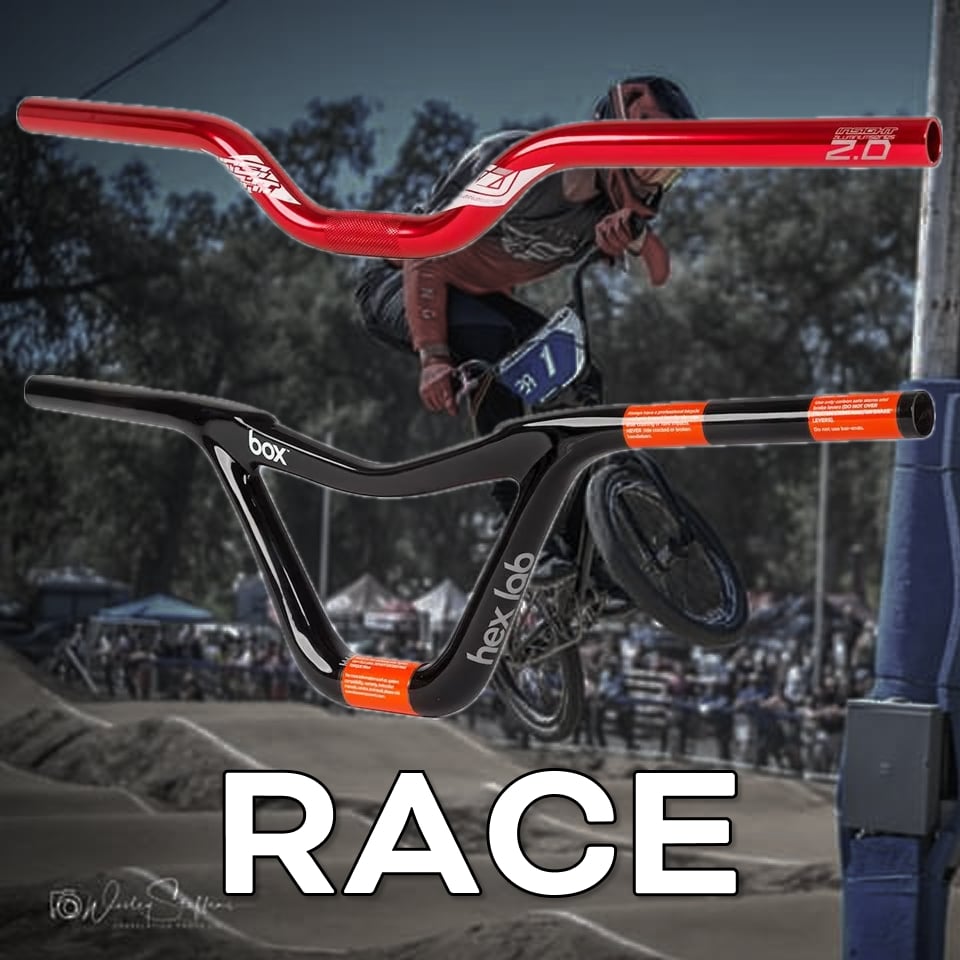
BMX racing uses a wider range of materials, including aluminum, carbon fiber, chromoly, and even titanium. Aluminum is usually a great, lightweight option for smaller riders. Bigger riders usually stick with chromoly or even carbon fiber to save a little weight. Titanium isn't a very common option due to the high-cost, but some riders find it worth it.
Style
Bars can look very different. Race bars mainly vary in looks based off their size as smaller handlebars do not have a crossbar. Freestyle bars usually fall in to one of two categories; 2-piece or 4-piece. This refers to the number of pieces welded together to make the bars. While some may argue that 4-piece is stronger, that does not take away from 2-piece being plenty strong (and the most common).
More than anything, this just comes down to personal style. Some riders like the look of 4-piece while others prefer the look of traditional 2-piece bars.

How do I measure and choose the height of my handlebars?
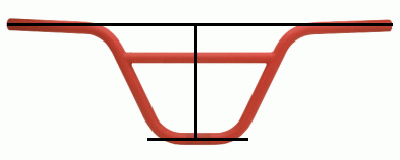
Freestyle bars generally range from 8 to 10 inches in height. As this is based on rider height, smaller riders will want to stay on the lower end, while tall riders may feel more comfortable with a taller bar. (Note: this guide is for standard 20" BMX bikes. Bar size can be significantly smaller for riders on 18" and smaller bikes.)
BMX racing uses a much larger range of bar sizes based on the bike size. Check out the "Bar Rise" column in our Rider Sizing Guide Here.
How to measure:
Using a ruler or tape measure, measure from the center of the stem clamping area to the center of the brake lever/grip area.
How do I measure and choose the width of my handlebars?
Much like height, width is dependent on the rider height and personal preference. Unlike height, however, this is customizable. Manufacturers typically error on the side of making the bars a bit wide because many riders will cut the bars down to their preferred width.
If a bar comes 29" wide, for example, but that is a bit too wide for you, you can cut a half an inch off each side for a total of one inch, making the bars now 28" wide.
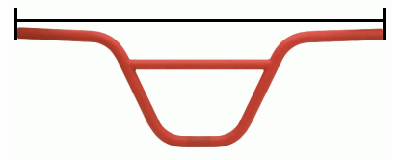
How to measure:
Using a tape measure, measure from one end of the handlebars to the other end.
What are the different handlebar clamp sizes?
BMX handlebar clamp sizes vary between freestyle and racing disciplines. In freestyle BMX, the standard clamp size is 22.2mm, favored for its durability and compatibility with most stems. Some riders opt for 25.4mm oversized bars for added stiffness, though this setup requires a matching stem and is less common.
In BMX racing, 22.2mm is is also the standard, but 28.6mm and 31.8mm oversized bars have become fairly common for pro-level bikes due to their increased rigidity and reduced flex. These larger sizes are typically paired with carbon or high-end alloy bars and require compatible oversized stems.
For a full deep dive into handlebars, check out our video below.
To learn how to properly install your handlebars, check out this video below.
Shop Handlebars Here