
BMX Headset Types & Installation Instructions
Types of BMX Headsets
BMX bikes generally use one of three types of headsets: Integrated, Standard, and Internal. For freestyle bikes, Standard headsets are typically used on entry-level complete bikes while integrated is used on mid to higher-end and aftermarket bikes, all of which use a 1-1/8" size.
BMX racing is a bit more complex as all styles are often used as well as a mix between sizes. Smaller bikes use a 1" fork steer tube, bigger bikes use either a 1-1/8" or a tapered size, meaning in transitions from 1-1/8" up to 1.5" (I know, fractions then decimals? BMX is weird).
Standard
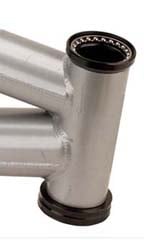
A standard 1-1/8" headset uses two cups that have to be pressed into the frame. These cups are smaller and usually heavier than an internal headset cup. The cups on a standard 1-1/8" headset can serve two purposes. The first purpose is to be the surface that an unsealed bearing rides on and the second is a mating surface for a sealed bearing.
Integrated
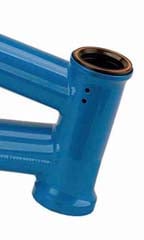
The integrated headset has no cups. An integrated frame actually has the angles needed for the integrated bearing machined into the head tube. The bearing of an integrated headset can be placed directly into the head tube of an integrated frame. Integrated headsets are designed to be easy to install and have a very clean look.
Internal
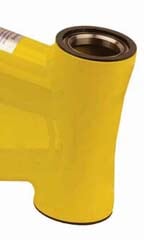
An internal headset uses two aluminum cups that have to be pressed into the frame. These cups are similar to the standard 1-1/8" cups but they a larger in diameter and usually weigh less. The cups on an internal headset provide a mating surface for a sealed cartridge bearing. Once the cups are pressed into the frame, the bearing can be simply placed in its location.
How do I install my headset?
To see detailed instructions of the headset installations watch the video or click a link below.
Standard Headset
Integrated Headset
How do I adjust the play in my headset?
Loosen the bolt(s) on the stem that clamps the stem to the fork steerer tube. Slightly tighten the compression bolt to remove any play in the headset or slightly loosen the compression bolt if the headset is too tight. The compression bolt is used only to adjust the amount of play in the headset. Do not overtighten it, you can damage the headset and or the fork. Once you have the headset where it feels just right, align your stem and tighten the bolt(s) that clamp the stem to the fork.
What's the difference between a Campy spec (45/45) and a Cane Creek spec (36/45) Integrated Headsets?
Campy Integrated Headset bearings have a 30.2mm I.D., 41.8mm O.D. and are 7mm thick. They have a 45° inner bearing cone contact and 45° outer frame contact. Cane Creek Integrated Headset bearings have a 30.2mm I.D., 41mm O.D and are 6.5mm thick. They have a 36° inner bearing cone contact and 45° outer frame contact.
I.D. = Inside Diameter
O.D. = Outside Diameter